
Regulations Governing the Assembly of Circuit Boards
Governing the Assembly of Circuit Boards
Assembling circuit boards is a complex process that involves integrating various components essential for the seamless operation of electronic devices. The intricate network of conductive pathways on PCBA circuit boards facilitates electrical connections and enables the accurate transfer of signals throughout device structures, making it essential to adhere to strict industry standards in every step of the manufacturing process. Achieving and maintaining high-quality assembly standards directly contributes to enhanced durability, consistent functionality, and reduced likelihood of malfunction within final products.
There are several important regulations governing the assembly of circuit boards, from component sourcing and quality to soldering techniques and cleanliness. In addition, the manufacture of specialized medical devices requires strict guidelines to satisfy acceptance criteria for a wide range of medtech equipment. In the case of a populated circuit board, a single error could result in improper functioning and, ultimately, human life. As such, adhering to stringent PCBA regulations is an essential part of producing a safe and effective medical device.
To understand the significance of PCB assembly guidelines, one must first consider what defines a printed circuit board (PCB) and an assembled flex pcb fabrication. The term “PCB” is used to describe the bare boards that serve as the base for electronic components and facilitates electrical connections via copper traces. A fully populated circuit board, on the other hand, includes all electronic components that are mounted to the PCB and connected to each other through soldered wires.
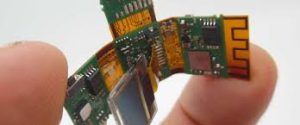
Regulations Governing the Assembly of Circuit Boards
In order to maintain the integrity of a populated circuit board, it is crucial that all components are sourced from reputable suppliers who are known for their commitment to industry standards and rigorous quality control measures. In addition, the PCB assembly process should adhere to all cleanliness standards to ensure that no contaminants enter the production environment and affect the integrity of the finished product.
Conducting meticulous visual inspections is another essential aspect of a successful PCB assembly process, as it enables manufacturers to identify and rectify any imperfections or anomalies in the final product before they are integrated into electronic systems or devices. These inspections should be conducted regularly, and the results documented in a thorough PCB assembly inspection report.
The physical handling of a circuit board can also significantly affect its performance and functionality. A rough drop can cause soldered parts to snap off, and even simple manufacturing activities like de-panelizing can damage or lift metal traces and pads if they aren’t executed correctly. Fortunately, most manufacturers follow PCB handling standards that are designed to prevent these issues.
Performing functional testing is an equally vital component of the PCB assembly process, as it enables the manufacturer to validate that the finished product will perform reliably under operational conditions before it is shipped to its intended customer. As such, it is imperative that all populated circuit boards undergo routine functional tests to ensure that they are able to function as intended. In addition, a thorough functional testing report will provide valuable insight into any areas that require improvement or rework, helping to reduce the time and cost of the PCB assembly process.