
What qualifications should a Canada Labour Code lawyer have?
qualifications should a Canada Labour Code lawyer
When dealing with workplace disputes, compliance issues, or employee rights in Canada, hiring the right legal professional can make a significant difference. A Canada Labour Code lawyer plays a crucial role in helping both employers and employees navigate the complexities of federal labor laws. Because the Canada Labour Code governs industries such as banking, telecommunications, and interprovincial transportation, the legal matters involved are often intricate and require a lawyer with very specific qualifications.
First and foremost, a Canada Labour Code lawyer must hold a valid law degree (LL.B. or J.D.) from a recognized institution. This foundational education ensures they understand the broader legal system, including constitutional law, administrative law, and contract law—all of which intersect with labor regulations. After obtaining their degree, they must be licensed to practice law in a Canadian province or territory. Membership in a provincial law society is mandatory, as it demonstrates that the lawyer meets professional and ethical standards required to represent clients.
Beyond basic licensing, specialization is one of the most important qualifications a Canada Labour Code lawyer should have. Labour and employment law is a distinct field, and federal labor law differs significantly from provincial employment standards. A qualified lawyer should have in-depth knowledge specifically related to the Canada Labour Code, including areas like unjust dismissal, workplace safety, hours of work, and employee benefits. Practical experience in handling cases under this code is essential, as theoretical knowledge alone is not enough to manage real-world disputes effectively.
Experience in litigation and dispute resolution is another critical factor. A competent Canada Labour Code lawyer should be skilled in representing clients before tribunals such as the Canada Industrial Relations Board, as well as in federal courts if necessary. Many labor disputes are resolved through mediation or arbitration, so the lawyer should also have strong negotiation skills. The ability to settle matters efficiently without prolonged litigation can save clients both time and money.
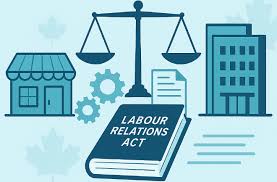
What qualifications should a Canada Labour Code lawyer have?
Strong communication skills are equally important. A Progressive discipline federal employees must be able to explain complex legal concepts in a way that clients can understand. Whether advising an employer on compliance policies or guiding an employee through a wrongful dismissal claim, clarity and transparency are essential. Good communication also extends to written skills, as legal documentation, submissions, and contracts must be precise and well-structured.
Another key qualification is a solid understanding of workplace dynamics and human resources practices. A Canada Labour Code lawyer often deals with sensitive issues such as harassment, discrimination, and workplace investigations. Having insight into organizational behavior and HR policies enables the lawyer to provide practical, well-rounded advice that goes beyond strict legal interpretation.
Professional reputation and ethical integrity should not be overlooked. A reliable Canada Labour Code lawyer will adhere to high ethical standards, maintain client confidentiality, and act in the best interests of their clients. Checking reviews, testimonials, or peer recognition can help in assessing a lawyer’s credibility and track record.
Continuing legal education is also a vital component of a lawyer’s qualifications. Labor laws evolve over time, and a dedicated Canada Labour Code lawyer stays updated with legislative changes, court decisions, and emerging workplace trends. This commitment to ongoing learning ensures that clients receive current and accurate legal advice. Ultimately, choosing a qualified Ontario Employment Standards Act vs Canada Labour Code involves looking at a combination of education, specialization, experience, and personal skills. The right lawyer not only understands the law but can also apply it effectively to protect your rights or business interests.