
How does rigid flex support flexible display applications?
How Does Rigid Flex Support Flexible Display Applications?
As technology continues to evolve, the demand for innovative solutions in electronics is ever-increasing. One of the most exciting advancements in this area is flexible display technology, which is being increasingly used in devices ranging from smartphones to wearables and beyond. Rigid flex PCBs (Printed Circuit Boards) play a pivotal role in enabling these flexible displays, offering the necessary combination of flexibility, durability, and electrical performance. But how exactly does rigid flex support flexible display applications? Let’s explore the details.
1. The Basics of Flexible Display Technology
Flexible displays are a type of screen that can bend, fold, or curve without compromising their functionality. This flexibility allows for new, innovative designs, including curved smartphones, rollable televisions, and foldable tablets. The key to enabling these displays lies in the use of flexible substrates like plastic or organic materials, which allow the display to maintain its integrity while being bent or twisted.
In flexible display applications, the role of the PCB is crucial. Traditional rigid PCBs are not suitable for such applications because they cannot bend or flex without breaking. This is where rigid flex technology comes into play. Combining rigid and flexible circuit board sections into one unit allows for both structural stability and flexibility in one package.
2. Integration of Rigid and Flexible Circuits
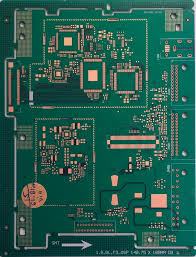
Rigid flex PCBs are designed to incorporate both rigid and flexible components. The rigid portions provide the stability and support needed for more static components, while the flexible areas are used to connect various parts of the device that need to bend or curve. This hybrid design is perfect for flexible display applications, where certain parts of the circuit need to remain in a rigid form to support critical components, while other areas must be flexible to allow the device to move or fold.
By integrating both rigid and flexible elements into one PCB, rigid flex enables designers to create compact, reliable flexible displays. This design flexibility allows for more streamlined and efficient manufacturing, as it eliminates the need for separate rigid and flexible circuit boards. Instead, rigid flex provides a seamless integration of both, ensuring that the display remains flexible without sacrificing durability or performance.
3. Space-Saving and Lightweight Design
One of the primary advantages of rigid flex technology in flexible display applications is its ability to save space and reduce the weight of devices. Flexible displays are often used in products where compactness and portability are key, such as in foldable smartphones or wearable tech. Rigid flex allows for the efficient use of space within these devices by combining the circuit boards into one cohesive unit.
The ability to integrate multiple components onto a single rigid flex PCB reduces the need for additional connectors, wires, and other components, leading to a lighter, more compact design. This is crucial in flexible display applications, where minimizing weight and size is essential to the overall user experience.
4. Durability and Reliability
Despite their flexibility, flexible displays need to be durable and reliable, especially in products that are frequently bent, folded, or exposed to other physical stresses. Rigid flex PCBs are known for their superior durability, which is a key advantage in flexible display applications.
The combination of rigid sections, which provide robust support, and flexible areas, which allow for movement, ensures that rigid flex circuits can withstand the mechanical stresses typically associated with flexible displays. The flexible portions of the PCB are designed to bend and flex without cracking or breaking, while the rigid sections help to protect sensitive components. This durability makes rigid flex a perfect match for flexible display applications that require longevity and resistance to wear and tear.
5. Enhanced Performance and Connectivity
In flexible display devices, maintaining high performance and reliability is essential. The rigid flex design ensures that all the necessary electrical connections are made while also allowing the circuit board to conform to the required shape and form. The flexible nature of rigid flex allows it to be used in unique designs, including curved and foldable displays, without sacrificing performance.
Additionally, rigid flex PCBs support high-speed data transfer and power distribution, making them ideal for flexible display applications that require fast, efficient processing. The ability to efficiently manage power and signal flow across the board is crucial for the smooth operation of flexible displays, especially in high-performance devices like foldable smartphones and advanced wearables.
6. Heat Management in Flexible Displays
Flexible displays, especially those used in smartphones and other electronic devices, generate heat during operation. Rigid flex technology helps manage this heat by incorporating advanced heat dissipation techniques, such as thermal vias and conductive materials. These features ensure that the display and the underlying circuit board remain at optimal temperatures, preventing overheating and ensuring reliable performance over time.
In flexible display applications, effective thermal management is vital because excessive heat can damage both the display and the circuitry. The efficient heat dissipation properties of rigid flex designs help maintain the integrity of the display, ensuring that it continues to function effectively even under heavy use.
Conclusion
Rigid flex PCBs offer a powerful solution for supporting flexible display technology, combining the best of both rigid and flexible circuit boards. By providing durability, flexibility, compactness, and high performance, rigid flex enables the development of innovative, flexible displays that are both functional and reliable. Whether in smartphones, wearable devices, or other next-generation electronics, rigid flex technology continues to play a pivotal role in shaping the future of flexible display applications, making them more versatile and efficient than ever before.