
Developing Rigid Flex PCBs for Space-Constrained Devices
Rigid Flex PCBs for Space-Constrained Devices
Increasingly, electronic devices are being designed with flexible and compact enclosures that require PCBs capable of bending and folding. These requirements are ideal for rigid flex circuit boards, which offer a unique combination of mechanical and electrical features, making them well-suited to a wide range of applications.
rigid flex pcb feature a hybrid construction with rigid and flexible sections that are connected using special lamination techniques. They are primarily built with FR4 insulation materials, though they may also use other rigid insulation and dielectric substrates for specialized design needs. Various engineering considerations are critical when designing rigid-flex circuit boards, including material selection, layer configuration, and bend radius compliance. Thorough design validation testing early in the development process helps identify potential issues and mitigate risks associated with production complexities.
Properly defining transition zones between rigid and flexible sections of the board is essential to ensure mechanical robustness. The flex region should be properly insulated to prevent signal disruptions. Careful planning of layer sequencing and impedance optimization is also necessary to ensure the proper transfer of signals between rigid and flex sections.
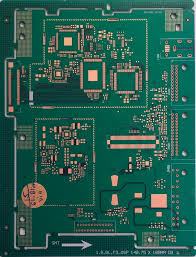
Developing Rigid Flex PCBs for Space-Constrained Devices
Achieving high-performance rigid-flex PCBs requires careful planning, simulation, and rigorous testing. A variety of engineering challenges arise when designing rigid-flex PCBs, such as balancing flexibility and rigidity, maintaining signal integrity, controlling electromagnetic interference (EMI), defining appropriate bending radii, ensuring structural integrity, and optimizing thermal management. Detailed and comprehensive planning, simulation, and testing throughout the design cycle help address these challenges and achieve functional and reliable rigid-flex circuits.
Rigid flex PCBs are a cost-effective alternative to traditional PCBs that can be designed for small and narrow spaces. They are also more durable than other types of printed circuit boards, and can withstand the rigors of extended use and harsh environments. They are an ideal choice for applications requiring high-speed data transmission, such as smart wearables and medical/electronics devices.
In some designs, rigid-flex PCBs eliminate the need for multiple connectors and interconnects between rigid PCBs and flexible cables. This can simplify the assembly process and reduce the risk of mechanical failure due to faulty connections.
The primary reason for rigid flex PCBs’ popularity is their ability to accommodate a wide range of component sizes and shapes in smaller footprints than conventional circuit boards. This versatility enables them to be used in a wide variety of consumer and industrial electronics. Additionally, they are ideal for space-constrained applications, such as handheld electronic devices.
Achieving high-performance rigid-flex boards is possible by leveraging advanced manufacturing technologies, such as laser processing for precise material removal and automation systems for streamlined assembly processes. By collaborating with expert rigid-flex manufacturers like Avanti Circuits, designers can develop innovative electronic products that are both durable and reliable. Contact us today to learn more about our rapid-turn manufacturing capabilities. We utilize advanced technology, precision machining, and stringent testing to deliver quality, reliable rigid-flex boards in short lead times. Moreover, our rigid-flex PCBs are backed by a one-year warranty and can be redesigned to suit your requirements.